Buy Church Volunteer Shirts in Bulk: Compare Options
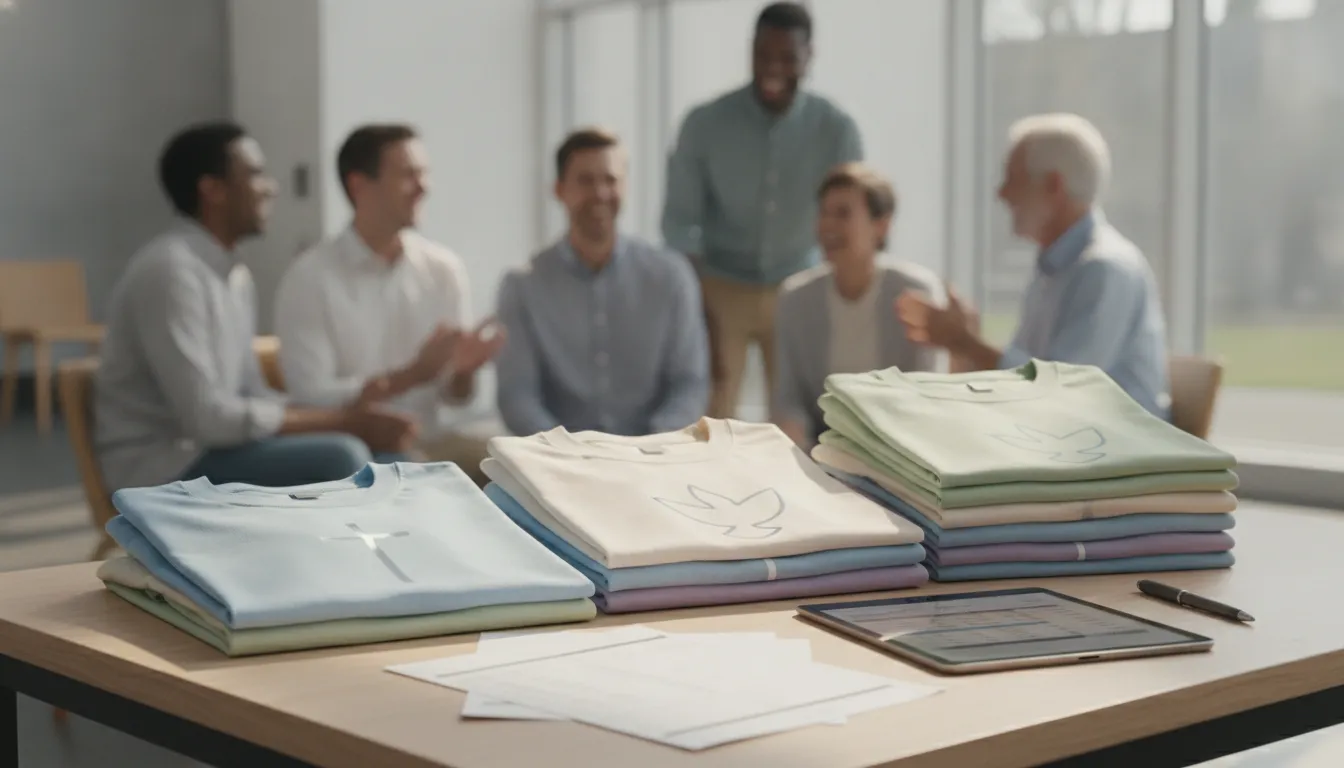
A matching shirt can turn a group of volunteers into a team guests recognize right away. It can identify greeters, welcome families, guide visitors, and help event leaders coordinate people across a busy church campus. But a successful order takes thoughtful planning. Before you buy church volunteer shirts in bulk, you need to consider your event, volunteer count, size range, fabric, design, printing method, budget, and delivery date. Print-on-demand providers give churches a practical way to create custom apparel without investing in equipment or storing a large inventory. Read on for clear steps to plan, price, customize, order, and distribute volunteer shirts with confidence.
Key Takeaways
- Plan before ordering: Confirm volunteer numbers, sizes, shirt styles, artwork, budget, and delivery deadlines in one shared document.
- Compare total value: Review fabric quality, print durability, inclusive sizing, supplier policies, shipping fees, and the complete cost per shirt.
- Prepare for distribution and reorders: Inspect shirts on arrival, sort them by team or size, track extras, and save approved design files for future orders.
Benefits of Buying Church Volunteer Shirts in Bulk
Ordering church volunteer shirts in bulk can make event planning more affordable and organized. Whether you’re preparing for a community outreach day, vacation Bible school, food drive, or church work project, matching shirts give volunteers a practical way to look like one team. A single order also simplifies decisions about shirt styles, colors, sizes, artwork, shipping, and distribution.
Bulk shirts can serve more than one event, too. A thoughtful design may work for recurring outreach programs, seasonal activities, and general volunteer service throughout the year. Print-on-demand apparel providers can make this approach practical by offering custom designs without requiring a church to manage its own printing equipment or large warehouse of inventory.
The main benefits include:
- Lower costs per shirt
- A consistent visual identity across teams
- Easier volunteer identification
- Simpler distribution for large groups
- Extra shirts for new volunteers and future events
Lower per-shirt costs and simplify ministry budgets
Many suppliers offer lower per-shirt prices for larger orders. That difference can help a church use its ministry budget more carefully, especially when several teams need shirts for the same event. Combining quantities into one order may cost less than placing several small orders at different times.
Ask for a complete quote before choosing a provider. The total should include the garments, printing, artwork or setup fees, personalization, shipping, and taxes. You can compare bulk custom apparel options to see how print-on-demand services and volume pricing may fit your needs. Once you know the delivered cost per shirt, you can decide whether the church will cover the full order, request a volunteer contribution, or include the expense in the event budget.
Create consistent branding across teams and events
Matching shirts give a volunteer group a clear visual identity. A shared church logo, ministry name, or event message connects separate teams, even when volunteers are working in different locations. The design also reminds volunteers that they’re part of a larger service effort.
For a cohesive result, use familiar church colors, fonts, and imagery. Keep the artwork simple and readable, particularly if volunteers will work outdoors or move through a crowded public space. Advice on custom church volunteer shirt design highlights how custom apparel can communicate unity and dedication while representing the church to the wider community.
Identify volunteers and coordinate events easily
At a busy church event, visitors may not know whom to approach for directions, registration help, childcare information, or other assistance. Matching shirts solve that problem at a glance. A noticeable color, church logo, or clear word such as “Volunteer” helps attendees find the right person without searching for a staff table or name badge.
The shirts can also help team leaders coordinate assignments. Volunteers can recognize one another quickly, regroup between tasks, and provide support when a busy area needs more help. This visibility is especially useful when an event covers a large campus, park, or public space. As volunteer apparel guidance explains, custom shirts help attendees recognize helpers and can create a stronger sense of unity among the volunteer team.
Distribute shirts efficiently to large groups
A bulk order gives church organizers one central shipment to review, receive, sort, and distribute. Before placing the order, collect each volunteer’s name, shirt size, team assignment, and payment status. A simple form or shared spreadsheet can keep this information organized and reduce mistakes during checkout.
Pre-orders also provide a more accurate quantity estimate. Church shirt ordering advice recommends collecting sizes and payments in advance to limit excess inventory and wasted money. When the shirts arrive, sort them by team, size, or assignment. Distributing them at a volunteer meeting or church service gives organizers time to address missing sizes or printing problems before the event begins.
Keep extras for new volunteers and future events
Consider ordering a few extra shirts in commonly requested sizes, such as medium, large, and extra large. A small reserve can cover last-minute volunteers, size exchanges, damaged garments, or team members who join after the original deadline. It can also save you from placing a rushed reorder before the next outreach event.
Avoid ordering far more than you need, but allow room for reasonable changes in attendance. After the event, record the remaining sizes, shirt style, color, artwork files, and supplier information. This makes a future reorder easier and helps you match the original design. Bulk shirt planning recommendations also suggest keeping extras available when the same volunteer program runs throughout the year.
How Should Churches Plan a Bulk Shirt Order?
A successful bulk shirt order starts before anyone chooses a color or uploads a logo. Churches need to connect the order to a clear purpose, confirm who needs a shirt, and leave enough time for approvals, production, and delivery. A simple plan helps prevent missing sizes, rushed design decisions, and unexpected costs.
Use the steps below to organize an order for Sunday volunteers, a community outreach event, a seasonal ministry team, or any group that needs a consistent, recognizable look.
Define the event, ministry, or outreach purpose
Start by deciding what the shirts need to accomplish. They might help guests identify greeters, bring unity to a children’s ministry team, or make volunteers easier to find at a community event. The purpose will guide your choice of design, color, fabric, and quantity.
Think about where and how volunteers will wear the shirts. A simple logo and ministry name may suit a weekly service team, while an outreach event may call for a brighter color or a short, readable message. Ministry Steward explains that volunteer shirts can reduce confusion, strengthen team identity, and support a smoother guest experience.
Before requesting a quote, record the event name, date, volunteer groups, and intended use. Sharing these details with your POD provider makes it easier to select the right products and plan the order around the event.
Confirm volunteer numbers and collect sizes
Create one reliable list of everyone who needs a shirt. A registration form, shared spreadsheet, or church management system can collect each volunteer’s name, team, shirt size, and preferred style if you are offering more than one option. Set a firm response deadline so the order does not stall while you wait for missing information.
Avoid relying on a rough headcount. Shirt sizing can vary by brand and garment style, so include a size chart and ask volunteers to review measurements before submitting their choices. Inspire & Unite recommends using pre-registration forms or sign-up sheets to get accurate counts and account for late sign-ups.
Before finalizing the quantity, check for duplicate entries, missing sizes, and volunteers serving on multiple teams. Keep the completed list with the order records for easier distribution.
Set the budget, approval timeline, and delivery date
Decide how much the church can spend before comparing shirt styles or printing methods. Include the cost of garments, printing, artwork, personalization, taxes, and shipping. If leadership or finance approval is required, add that step to the schedule from the beginning.
Work backward from the event date and allow time for design revisions, sample approval, production, shipping, and sorting. Sunday Cool suggests planning six to eight weeks ahead, with the design finalized and sizes collected before the final order is submitted.
Ask the provider for a realistic production window. Confirm whether weekends, holidays, or split shipments could affect delivery. Ordering early leaves room to correct an artwork issue or replace an item that arrives damaged.
Choose shirts for work, outdoor service, or all-day wear
Match the garment to the work volunteers will do. Greeters and information desk teams may prefer soft cotton or a cotton blend for comfortable indoor wear. Setup crews, parking teams, and outdoor outreach volunteers may need lightweight, breathable performance fabric that accommodates heat and movement.
Consider the length of each volunteer shift. A shirt that feels comfortable during a short meeting may not work well for an all-day event. Compare fabric weight, stretch, moisture management, fit, and care instructions before making a decision.
Ministry Steward recommends matching the shirt to the job, such as selecting a breathable option for outdoor teams working in warm conditions. If volunteers will wear jackets or safety gear, check that the design remains visible and the shirt fits comfortably with other layers.
Plan extras without overordering
A few extra shirts can help when a new volunteer joins, someone chooses the wrong size, or a shirt is damaged during setup. Add extras strategically instead of ordering the same number in every size and color.
Start with your actual size breakdown, then consider adding a few shirts in the sizes most commonly requested, often medium, large, and extra large. Inspire & Unite advises ordering additional shirts in common sizes to help prevent last-minute shortages.
Think about future use as well. A ministry that serves throughout the year may benefit from keeping a small reserve. For a one-time event, limit extras so the church does not store shirts with an outdated date or message. Ask whether your POD provider can reproduce the design later before deciding how much inventory to keep.
Organize artwork, quantities, sizes, and shipping details
Create one final order document with the approved artwork, garment style, color, print locations, size breakdown, personalization details, delivery address, and event date. Have one person compare this document with the provider’s proof before payment.
Use high-resolution logo files and confirm that the church has permission to use outside artwork, fonts, or photographs. Review the proof for spelling, color, alignment, and small details that may be difficult to read at the final print size. For large orders, Ministry Steward recommends screen printing when durability and efficient bulk production are priorities.
Before placing the order, confirm the shipping method, tracking availability, expected arrival date, and process for reporting damaged or incorrect items. Save the final proof, invoice, size list, and order number in a shared church folder. These records make future reorders easier and give the next ministry leader a clear starting point.
Choose Shirts for Comfort, Durability, and Value
A volunteer shirt should do more than display a church logo. It should feel comfortable during long shifts, hold up through repeated washing, and suit the work volunteers are doing. A soft shirt may be ideal for greeting visitors indoors, while an outdoor service team may need lightweight fabric that dries quickly and stays comfortable for several hours.
Match the shirt to the event, season, and volunteer role. Consider how long people will wear it, whether they will work indoors or outside, and how much movement the job requires. This practical approach to choosing volunteer apparel can help your church avoid ordering shirts that look good but feel uncomfortable in use.
Price matters, but the cheapest shirt is not always the best value. A garment that shrinks, fades, or loses its shape after a few washes may need to be replaced sooner. Compare the fabric, fit, printing method, available sizes, and expected wear before placing a bulk order. Paying slightly more for a dependable shirt can be worthwhile when volunteers will use it for services, outreach projects, and annual events.
Choose soft cotton for everyday volunteer wear
Soft cotton shirts are a dependable choice for indoor volunteer roles and everyday church events. They feel familiar, allow air to circulate, and work well for greeters, welcome teams, children’s ministry volunteers, and event assistants. A lightweight cotton shirt can also stay comfortable during services, meetings, and setup tasks that do not involve strenuous activity.
Look for a shirt with a smooth feel and enough structure to maintain its shape. Very thin fabric may cost less, but it can become less comfortable and look worn after repeated washing. A premium cotton blend, such as the lightweight option described by Sunday Cool, may provide a soft feel while remaining practical for all-day wear.
Cotton also works well with many printing methods, especially for church logos and simple messages. Ask for fabric details before ordering, and consider purchasing a sample so you can check its softness, thickness, and fit in person.
Choose cotton blends for versatile, easy-care shirts
Cotton blends combine the familiar comfort of cotton with fibers such as polyester or rayon. This makes them a flexible option for volunteer teams that work in different settings. Depending on the blend, the shirt may resist wrinkles, hold its shape, and dry faster than a 100% cotton garment.
These shirts can suit lobby hosts, registration teams, hospitality volunteers, and staff members who want a polished appearance without wearing formal clothing. As Ministry Steward explains, indoor roles often work well with soft cotton or cotton-blend shirts. Blends may also be useful when volunteers will wear the shirts at several events throughout the year.
Pay attention to the fiber ratio and care instructions. Some blends feel soft and breathable, while others can feel warm or less natural against the skin. If your church serves in a warm climate, choose a lighter fabric and test it before ordering a large quantity. A sample also gives volunteers a chance to share feedback on comfort.
Choose performance fabrics for outdoor and active events
Performance fabrics suit movement, outdoor work, and activities that may cause volunteers to sweat. Polyester performance shirts are often lightweight, quick-drying, and less likely to feel heavy during a long shift. They can work well for parking teams, cleanup crews, construction projects, sports ministries, and community outreach events.
Think about the conditions volunteers will face. If they will spend several hours in direct sunlight, a breathable shirt with moisture-wicking properties may be more comfortable than a thick cotton tee. If the event takes place in cooler weather, layering may matter more than quick drying. Guidance on outdoor volunteer shirts can help you compare fabric choices based on the job.
Performance shirts may also resist wrinkles and retain color well, though results vary by garment and printing method. Request fabric specifications and care instructions before ordering. Do not assume every athletic-style shirt feels the same. Some fabrics are smooth and light, while others may feel slick or less comfortable.
Compare breathability, weight, fit, and color choices
Compare more than the shirt’s price and color. Breathability affects comfort during long shifts, while fabric weight can determine whether a shirt feels suitable for a hot outdoor event or a cool indoor service. A heavier shirt may look more substantial, but a lighter option may be easier to wear for several hours.
Fit matters, too. Review the size chart instead of relying on standard small, medium, or large labels. Garments from different suppliers can vary in chest width, length, sleeve shape, and overall cut. If possible, order samples in more than one size and ask a few volunteers to try them on. This can reveal fit issues before you purchase shirts for the entire team.
Color choices should support both comfort and visibility. Dark colors may hide stains, while bright or high-contrast colors can help volunteers stand out in a crowded space. Choose shades that work with your logo and keep the design readable. Churches comparing branded apparel for outreach can also review promotional apparel options to create a consistent look across events.
Offer inclusive sizes and practical unisex styles
A bulk shirt order should give every volunteer a reasonable chance of finding a comfortable fit. Include a broad size range and check whether the supplier offers extended sizes. Do not assume one cut will suit everyone. Some volunteers may prefer a relaxed unisex shirt, while others may feel more comfortable in a women’s cut with different proportions.
Ask volunteers to compare their measurements with the supplier’s size chart before submitting their choices. Chest width, shirt length, and sleeve length can vary significantly between brands. It also helps to keep sample shirts available at the church office, a planning meeting, or a volunteer event so people can compare sizes in person.
Offering both unisex and women’s styles can improve comfort and satisfaction, according to Custom Tees Now. Keep the selection manageable, however. Too many garment styles can make ordering and sorting more complicated. Two or three dependable options with clear size information are often easier to manage than a long list of choices.
Check wash resistance, colorfastness, and print durability
Volunteer shirts may face frequent washing, food spills, outdoor dust, and repeated wear. Check how the garment and decoration are expected to perform after laundering. Ask whether the fabric is likely to shrink, whether the color may fade, and whether the print can withstand regular washing.
Print durability depends on the decoration method, ink, garment, and care routine. A high-quality water-based print can absorb into the fabric, leaving a smooth, breathable finish that stays comfortable after repeated washing. Sunday Cool’s explanation of water-based ink provides a useful example of what to ask about when comparing printed shirts.
Order a sample before approving the bulk purchase. Wash it according to the care instructions, then check for fading, cracking, peeling, shrinking, and changes in shape. If the sample performs well, save the garment details, artwork file, print method, and supplier information for future reorders. This record can help your church maintain a consistent look when new volunteers join.
Customize Church Volunteer Shirts
A well-designed volunteer shirt does more than identify a team. It helps visitors know whom to approach, gives volunteers a shared sense of belonging, and keeps your church’s visual identity consistent across services, outreach projects, and community events. The strongest designs are practical and welcoming, so volunteers can continue wearing them after the original event.
Start with the shirt’s purpose, then choose the artwork, garment, and printing method to match. A children’s ministry shirt may benefit from a friendly, approachable design, while a cleanup or service project shirt may need a bold message that stands out outdoors. With print-on-demand (POD), your church can create a custom design and order the quantity it needs without storing a large inventory.
Match church colors, fonts, and branding
Use the same colors, fonts, and logo styles that appear on your church website, signs, social media pages, and printed materials. This creates a consistent look and makes the volunteer team easier to recognize. If your church has brand guidelines, review them before designing the shirt. They may specify approved logo versions, color codes, typefaces, and spacing requirements.
Choose one main design element, such as the church name, logo, or ministry name, and build the shirt around it. Avoid adding multiple fonts and colors simply because they are available in the design tool. A focused design usually looks more polished and remains easier to read. Church Leaders recommends using recognizable imagery while keeping colors, logos, and fonts aligned with the church’s overall look.
Add logos, ministry names, dates, or volunteer titles
Include details that explain who the wearer is and what the team does. A church logo on the chest, a ministry name across the back, or a title such as “Welcome Team” can make the shirt immediately useful. For a specific event, you might add its name, year, or location. Keep these details brief so visitors can read them from a reasonable distance.
Volunteer titles can also help people find the right person. Labels such as “Kids Check-In,” “Prayer Team,” or “Event Host” give the shirt a clear purpose beyond decoration. Consider placing smaller details on a sleeve or upper back if the primary design already includes a large logo. Hoodies offer additional space for logos and titles, and embroidered or printed apparel can help identify volunteers in cooler weather.
Choose mission-focused artwork and readable messages
Select artwork that reflects the ministry’s purpose instead of adding decoration without meaning. Helping hands may suit a community service team, while a friendly illustration may work well for children’s ministry. A short phrase can reinforce the team’s role, such as “Here to Help,” “Serve With Joy,” or “Welcome Team.”
Make sure the message fits the way volunteers will interact with people. A shirt for an outreach event should feel inviting, not like an advertisement that visitors must stop to study. Use clear wording, familiar symbols, and a typeface that remains readable from several feet away. Purposeful artwork can remind volunteers of their shared commitment and help the team feel connected throughout the event.
Compare screen printing, direct-to-garment, and other methods
The printing method affects the shirt’s appearance, durability, design options, and total cost. Screen printing is often a practical choice for larger orders with simple artwork and one or two ink colors. It produces clean, consistent results when every volunteer receives the same design, though it may be less convenient for small orders or highly detailed artwork.
Direct-to-garment printing applies ink directly to the fabric, making it suitable for colorful illustrations, photographs, and intricate designs. Results can vary depending on the garment and provider, so order a sample before placing a large order. Heat transfer printing can work well for smaller runs or individual names, while embroidery is often a good choice for polos, jackets, and hoodies. Ministry Steward compares these printing methods based on order size, design detail, and customization needs.
Choose front, back, sleeve, or name personalization
Give each print location a specific job. A small logo on the front chest creates a subtle, professional look. A larger back print can display the church name, ministry, or event message where it remains visible as volunteers move around. Sleeve prints work well for short phrases, team initials, or small symbols.
Personalized names can make large teams easier to coordinate, but they may increase the price and production time. Confirm every spelling before approving the order. If shirts will be reused by different volunteers, role-based labels may be more practical than individual names. For outreach work, visible volunteer apparel can communicate welcome and legitimacy in public spaces, including neighborhoods, campuses, and relief sites.
Keep artwork simple, high contrast, and recognizable
A volunteer shirt should be clear at a glance. Use strong contrast between the garment and ink colors, particularly when volunteers will work outdoors or in busy areas. Dark artwork can disappear on a dark shirt, while thin lines and small lettering may lose definition during printing. Check which file types, image resolutions, and color settings your POD provider accepts before uploading artwork.
Limit the design to one main image and a small amount of text. A logo, ministry name, and short message are often enough. Local Church Media suggests keeping church shirt designs to a logo or wordmark in one or two colors. View the design as a small thumbnail before ordering. If the message is difficult to understand, simplify it.
Create designs volunteers will wear again
Think beyond the event date when choosing the shirt’s style and artwork. A general ministry name or service message can work at future events, while a design centered on one date may have limited use. If the date is important, place it in a smaller secondary position instead of making it the main feature.
Comfort also influences whether volunteers continue wearing the shirt. Choose a soft fabric, a practical fit, and a color that works with everyday clothing. Avoid oversized artwork, uncomfortable decoration, or slogans that feel too narrow for regular use. A simple shirt with a church logo and ministry name can remain useful for months. As Ministry Steward explains, shirts people keep wearing are usually simpler than designs that make an impression only once.
How Much Do Bulk Church Volunteer Shirts Cost?
The cost of bulk church volunteer shirts depends on more than the base price shown on a product page. Garment quality, order quantity, printing method, artwork, personalization, taxes, and shipping can all change the final total. A low advertised price may look appealing, but it may not include setup fees, extra print locations, rush production, or delivery.
Start by setting a budget for the complete order. Confirm the number of volunteers, collect sizes, choose a shirt style, and set the required arrival date before requesting quotes. This gives providers the details they need to price the order accurately. Planning around fulfillment, sizing, and inventory can also help your church avoid waste, shortages, and last-minute fees.
When comparing providers, look at the delivered cost per shirt rather than the base garment price. A slightly more expensive shirt may offer better comfort and durability, making it a better choice for volunteers who will wear it throughout the event and beyond.
Compare volume discounts and tiered pricing
Many POD apparel providers offer tiered pricing, which means the per-shirt cost decreases as the order quantity increases. Bulk discounts often begin around 50 to 100 shirts, so combining orders for several ministry teams may help your church qualify for a lower rate. This works best when everyone uses the same design, shirt color, and print locations.
Request pricing at several quantity levels, such as 25, 50, 75, and 100 shirts. Compare the total cost at each level, not just the unit price. Ordering 100 shirts to save a few cents per shirt may not make sense if your church only needs 60.
Before choosing the larger quantity, identify how you will use the extras. Additional shirts can go to new volunteers, replacement needs, or future events. Consolidating church shirt orders may reduce the cost per shirt while keeping the inventory useful.
Separate garment, printing, artwork, and setup costs
Ask for each part of the order to be listed separately. The garment price covers the blank shirt, while printing, embroidery, artwork preparation, and setup may appear as additional charges. Premium fabrics, heavier weights, specialty colors, and extended sizes may also carry different prices.
The printing method and design affect the final amount. A one-color screen print may cost less for a large order, while direct-to-garment printing may work better for detailed artwork with several colors. Confirm whether the quote covers one print location or charges separately for the front, back, sleeve, and other areas.
Pricing often depends on garment quality, decoration method, quantity, artwork complexity, and fulfillment requirements. An itemized quote helps you decide where to spend and where a simpler option may work just as well.
Include personalization, proofing, taxes, and shipping
Adding volunteer names, team labels, ministry titles, or numbers can make shirts easier to organize. However, personalization may add a fee for each shirt. Ask whether the provider charges for variable artwork, data preparation, or each customized print location. Submit one carefully checked list of names and assignments to reduce errors.
Your budget should also include proofing, taxes, and shipping. Some providers include a digital proof, while others charge for artwork cleanup or revisions after the first draft. Shipping may vary based on the number of packages, delivery speed, and whether the order ships to one location or several.
Confirm whether taxes are included in the quote and whether your church must provide tax-exempt documentation. Also ask if split shipments or rush delivery carry additional fees. Careful planning around fulfillment and inventory can help prevent unexpected costs.
Review sample costs and design revision fees
Ordering a sample lets you check the shirt’s fit, fabric, color, logo placement, and print quality before placing a larger order. The sample may cost more than the bulk price, but it can prevent a costly mistake across dozens of shirts. Ask whether the sample fee will be credited toward the final order.
Review the provider’s design revision policy before approving artwork. Some services include a specific number of revisions, while others charge for changes after the first proof. Ask what counts as a revision, particularly if you may change the shirt color, print location, or artwork.
A practical design can also help the shirts deliver value after the event. As Ministry Steward explains, shirts that volunteers continue wearing are often simpler than designs people admire once and then put away.
Check promotions, payment terms, and nonprofit policies
Ask whether the provider offers quantity discounts, seasonal promotions, church pricing, or nonprofit policies. These offers may not apply automatically, and some require documentation or a minimum order. Confirm the terms before comparing the quote with another provider.
Payment requirements can affect your ordering schedule. Find out whether the provider requires full payment at checkout, accepts a purchase order, or offers invoicing for approved organizations. Your church should also set an internal deadline for collecting sizes and payments, leaving time to review the order before production begins.
Collecting sizes and payments before ordering helps ensure that every shirt is assigned and accounted for. It also reduces the chance that your church will pay for unwanted sizes or need a second rush order for volunteers who respond late.
Calculate the delivered cost per shirt
The delivered cost per shirt includes every amount your church pays to receive the finished order. Add the garment, printing, artwork, setup, personalization, taxes, and shipping costs. Then subtract any confirmed discount and divide the final total by the number of shirts received.
For example, a 60-shirt order might include a $9 garment and $4 printing charge per shirt. If artwork costs $40, setup costs $25, and shipping costs $75, the total would be $920 before taxes. That works out to about $15.33 per shirt.
Use the same calculation when ordering extras. A few additional shirts in common sizes, such as M, L, and XL, can help your church handle replacements and new volunteers without placing another small order. The extra inventory is worthwhile when the cost of a future shortage would be higher than the cost of keeping a few shirts on hand.
Request complete quotes from POD apparel providers
Send the same information to each provider so you can compare quotes fairly. Include the shirt style, fabric preference, color, size breakdown, total quantity, artwork file, print locations, personalization requirements, delivery address, and required arrival date.
Ask for an itemized quote that shows the garment, printing, artwork, setup, personalization, tax, shipping, and any rush charges. Also ask how long production will take after proof approval, since the delivery timeline usually begins after you approve the final design.
Before placing the order, confirm minimum quantities, size availability, production rules, shipping options, replacement policies, and reordering procedures. Review minimum order quantities, available sizes, and production details before promising shirts to your volunteer team. A complete quote gives church leadership a clear figure to approve and makes it easier to compare POD providers on more than price alone.
What Minimums and Flexibility Should Churches Expect?
Bulk shirt orders can lower the cost per item, but suppliers differ widely in how they handle quantities, customization, and fulfillment. Before collecting payments or announcing a delivery date, ask exactly what your order requires. A low advertised price may not apply if your team needs several colors, a broad size range, individual names, or delivery to multiple locations.
Start by reviewing the product page and requesting a detailed quote. Check the minimum quantity, available sizes, garment options, print locations, setup fees, and estimated production time. Outreach’s volunteer shirt guidance recommends checking minimum quantities, size availability, and production rules before promising shirts to a team.
You should also clarify which parts of the order can vary. Some suppliers let you combine sizes and colors under one design, while others treat each combination as a separate order. Personalization, rush production, and split shipments may also change the price or timeline.
A few direct questions at the beginning can prevent expensive surprises later:
- Does the minimum apply to the entire order or each color and style?
- Can several ministries combine their quantities?
- Are names, numbers, or titles available?
- Can volunteers order replacements later?
- Will the shirts ship together or in separate packages?
Check minimum quantities and size requirements
Some suppliers set a minimum number of shirts for each design, garment color, print location, or order. Others allow one shirt at a time through print-on-demand, or POD, fulfillment. Confirm whether the minimum applies to the total order or to each combination of design, color, and style.
Review the size range before collecting orders. A provider may offer standard adult sizes but have limited youth, extended, or specialty sizes. Ask whether all sizes cost the same and whether larger sizes require an additional charge. If your group includes children, older adults, or volunteers who prefer relaxed fits, include those options from the beginning. This makes the order more inclusive and reduces last-minute substitutions.
Collect sizes using a simple form with clear instructions. If possible, provide a size chart and recommend that volunteers compare measurements with a shirt they already own. Also ask whether the supplier uses unisex, women’s, or youth sizing, since these labels can vary between garments. A size list is only useful when everyone is measuring against the same information.
Confirm whether orders can mix colors, sizes, and styles
A flexible supplier may let you combine different shirt colors and sizes under one design. Others treat every color or garment style as a separate production run, which can add setup charges or create a new minimum quantity. Ask for these rules in writing before creating a volunteer sign-up form.
Confirm whether the same artwork can appear on multiple styles. Your church might want lightweight performance shirts for outdoor service and soft cotton shirts for welcome volunteers. Some providers can manage both under one order, while others charge a separate setup fee for each style or material.
Keep the artwork consistent whenever possible. As Artcraft Promotional Concepts explains, varying logos or designs can create additional setup and imprint charges. A shared logo, message, and print placement can make the order easier to manage and help the teams look connected.
Ask whether color changes affect the print process, too. A light shirt may need different ink treatment than a dark shirt, and some designs may not remain readable across every color. Request a digital proof that shows the artwork on each chosen garment color before approving production.
Ask whether teams can share one order
If several ministries need shirts, ask whether they can combine their quantities into one order. A shared order may help your church meet a supplier’s minimum and reduce the per-shirt price. It can also simplify artwork approval, payment, and delivery.
Before combining teams, confirm which details can vary. The supplier may allow different sizes and colors but require every shirt to use the same design. It may also require one person to submit the final quantity and manage payment. Bulk church shirt guidance notes that larger quantities can reduce per-unit costs, making a shared order practical when several groups have similar needs.
Create one internal order sheet with separate sections for each ministry. Include the team name, shirt style, color, size, quantity, personalization, and assigned recipient. This makes it easier to check the supplier’s final proof and sort the shirts when they arrive.
Set one deadline for all participating teams. After that date, ask each ministry leader to approve its quantities in writing. A clear cutoff prevents one late change from delaying the entire church order or changing the price for everyone.
Review limits on names, numbers, and personalization
Personalization can make volunteer shirts more useful, but it often changes the pricing and production process. Ask whether the supplier supports names, numbers, ministry titles, volunteer roles, or event dates. Find out whether personalization requires a minimum quantity, separate artwork files, or an additional charge per shirt.
Check the available print method, too. Screen printing often works well for a shared logo or message, while heat transfers can suit names and smaller custom runs. Ministry apparel guidance identifies heat transfer printing as a useful option for special names and limited personalization.
Give yourself extra time when every shirt has different text. The supplier may need a spreadsheet with exact spelling, capitalization, placement, and shirt size. Ask whether you will receive a proof showing all personalized details before production begins. Review the list carefully, especially names that are easy to misspell, and keep the approved file with your church records.
Consider POD for smaller groups and late additions
POD can suit churches that need a small number of shirts or expect volunteer numbers to change. Rather than ordering a large batch upfront, you can produce shirts as orders come in. This can reduce leftover inventory and make it easier to add volunteers after the original sign-up period.
POD may also work well when several ministries need different designs or when your church runs recurring events throughout the year. Before choosing this option, check whether each shirt ships separately, whether shipping costs rise for small orders, and whether the same garment and print settings will remain available for future purchases.
For a one-time event, a pre-order can still be the more practical choice. Custom shirt planning guidance recommends collecting sizes and payments before ordering so every shirt is accounted for. Set a firm deadline, then review the final list before submitting the order.
Confirm how easily you can reorder matching shirts
Ask how the supplier stores your artwork, garment information, color details, and print placement. A convenient reorder process should let you reproduce the original design without rebuilding the file from scratch. Confirm whether the provider saves the exact shirt brand and color, or only keeps the artwork on file.
Find out how long matching products remain available. Garment brands may discontinue colors, change fabric blends, or update sizing. If the shirts will support an ongoing volunteer program, select a practical style with a stable color range. Save the order number, product link, artwork, proof, and final size breakdown in your church records.
Consider ordering a few extras in common sizes when the budget allows. Volunteer shirt planning advice suggests keeping additional medium, large, and extra-large shirts for new volunteers and replacements. A small reserve is often simpler than placing a rush order before every event.
Understand split shipments, extra inventory, and fulfillment limits
A supplier may ship the entire order together, or send separate packages as items finish production. Ask whether split shipments are allowed, how shipping charges are calculated, and whether the provider can deliver to multiple church locations. If your event has a firm date, request a production window and delivery estimate rather than relying on a general turnaround statement.
Plan for how the shirts will arrive. POD orders may go directly to individual volunteers, while a traditional bulk order may arrive at one church address for sorting. Confirm whether packages include packing slips, tracking information, or itemized details by size and color. If shirts will ship to multiple addresses, check whether each package has a separate handling fee.
Finally, ask what happens if a shirt is damaged, misprinted, missing, or delayed. Confirm the deadline for reporting problems and the documents the supplier needs to approve a replacement. Careful planning around inventory, sizing, and delivery can reduce fulfillment problems, a point also emphasized in church outreach apparel guidance. Keep a small amount of extra inventory when possible, especially for essential volunteer roles.
How Can Churches Compare POD Suppliers?
The right print-on-demand supplier should make a bulk shirt order predictable, not create extra work for an already busy ministry team. Compare suppliers across garment quality, design support, communication, production, shipping, and customer policies. A low per-shirt price may not offer good value if the fabric is uncomfortable, the artwork prints poorly, or the order arrives after your event.
Start by creating a short list of suppliers that offer the shirt styles, print methods, sizes, and quantities you need. Ask each provider the same questions and request a complete quote. Comparing identical details makes it easier to spot missing fees, unclear timelines, and differences in service.
If the supplier offers samples, order one before approving the full order. Use the sample to check fit, fabric, color, print placement, and wash resistance. You can also use this stage to confirm that the shirt suits the activity, whether volunteers will be greeting guests indoors or working outside.
Keep your event date, delivery address, estimated quantity, and artwork requirements ready when you contact a supplier. The more specific your request, the more useful the response will be. A reliable POD partner should explain what happens at each stage, from artwork submission and proof approval to production, delivery, and replacements.
Evaluate garment quality, print clarity, and samples
Start with the shirt, not just the design. Check the fabric weight, softness, stretch, seams, fit, and size consistency. Volunteers may wear these shirts through long services, outdoor projects, or community events, so comfort and durability matter. Compare the supplier’s size chart with shirts your team already wears, especially if the order includes unisex styles.
Inspect the print closely. Text should be sharp and readable, lines should look clean, and colors should be close to the approved artwork. Wash the sample according to the care instructions, then check for fading, cracking, peeling, or shrinking. Churches often use apparel across outreach programs, fundraisers, and volunteer initiatives, so consistent branded apparel can help create a recognizable team appearance.
Review design uploads, proofs, and revision support
Find out which file types the supplier accepts and whether artwork assistance costs extra. Your church may have a low-resolution logo, an older file with uneven spacing, or custom artwork that needs preparation for printing. A helpful supplier should explain the issue and recommend a solution rather than simply rejecting the file.
Request a digital proof that shows the garment color, artwork size, print location, and placement. Check the spelling of ministry names, dates, contact information, and Bible references before approving it. Ask how many revisions are included and whether a person reviews the file. Some providers can clean up existing logos or prepare artwork for screen printing, embroidery, or DTF, as explained in this church shirt printing guide.
Confirm consistent colors and artwork across reorders
If you expect to order more shirts later, ask how the supplier stores your artwork and color specifications. Future shirts should match the original order as closely as possible when new volunteers join or another ministry uses the same design. Request the exact garment brand, style, color name, print method, and artwork file used for the first order.
Save the approved proof, invoice, and final specifications in a shared church folder. This gives staff and volunteers a reliable reference when someone places the next order. Keep the artwork practical, too. Thoughtful church shirt design typically relies on clear, repeatable graphics rather than details that are difficult to reproduce consistently.
Assess customer service and order support
Bulk orders involve several details, so responsive support can prevent small questions from becoming costly mistakes. Ask whether you will have a named representative, dedicated email address, or dependable phone contact. Confirm who handles proof revisions, quantity changes, delivery questions, and damaged items.
Pay attention to the supplier’s first response. Clear answers about sizes, colors, artwork, fees, and timing are a positive sign. Vague replies may cause trouble when several ministries share an order. Some custom apparel providers offer support from a named human contact instead of an automated service, which can make larger orders easier to manage.
Compare production schedules and turnaround times
Ask for a timeline covering artwork review, proof approval, production, quality checks, and shipping. Clarify when production begins, since many suppliers start only after you approve the final proof and complete payment. Also ask whether personalized names, multiple print locations, or large quantities add time.
Work backward from the event date and leave room for unexpected delays. If shirts are needed for a Saturday outreach project, schedule delivery several days earlier when possible. One provider lists a typical shipping window of seven to 10 business days after proof approval, but your timeline may vary based on the garment, order size, personalization, and season.
Verify shipping windows, tracking, and delivery coordination
Ask how shipping is calculated and whether the order will arrive in one package or several shipments. Confirm the carrier, tracking process, estimated delivery date, and address requirements. If shirts are being sent to a church office, make sure someone will be available to receive and inspect the boxes.
Include delivery in your supplier comparison instead of focusing only on the garment and printing price. Ask whether shipping is included, calculated per item, or added at checkout. Some providers advertise nationwide shipping to the lower 48 states, but confirm that the offer applies to your order size, destination, and selected shipping method.
Check replacement policies and issue resolution
Before placing the order, ask what happens if shirts arrive damaged, misprinted, stained, or in the wrong size. Find out how soon you must report a problem, which photos or documents are required, and whether the supplier offers replacements, refunds, or account credit. Keep the order confirmation and approved proof until every item has been checked.
Plan for small shortages as well. If the budget allows, order a few additional shirts in common sizes, such as medium, large, and extra-large. Extra inventory can cover last-minute volunteers or replace items with defects. This approach is also recommended in this church and nonprofit shirt guide.
Read ordering, return, and payment policies before checkout
Review the supplier’s policies before announcing final shirt quantities to volunteers. Check minimum order quantities, available sizes, garment substitutions, design approval rules, cancellation deadlines, and payment requirements. Custom products may not be returnable if a volunteer changes their mind, so collect sizes carefully and confirm the order before production begins.
Look for rules covering reprints, color variation, split shipments, production delays, and order changes. Product pages may include important details about minimums, size availability, and production restrictions, as this guide to volunteer shirts explains. Once you understand the terms, request a written quote listing each fee, garment specification, quantity, print location, and delivery detail before approving the order.
Follow the POD Process for Bulk Volunteer Shirts
A print-on-demand (POD) provider can make church volunteer shirt orders easier to manage, especially when you need custom designs, flexible quantities, or repeat orders. The process still requires careful planning, though. Start with the event date and work backward so you have enough time for design approval, sampling, production, shipping, and distribution.
Keep your order information in one shared document. Include the supplier’s contact details, approved artwork, garment style, color choices, size breakdown, delivery address, payment records, and important deadlines. A clear record helps prevent duplicate changes and gives everyone involved the same information.
Build in extra time for unexpected delays. A supplier may need to replace a garment, correct artwork, or resolve a shipping issue. Ordering early gives your church team time to respond without putting the event at risk.
Confirm the date, budget, quantity, and specifications
Start by recording the event date, delivery deadline, estimated volunteer count, budget per shirt, and shipping address. Add details such as the activity type, expected weather, preferred fabric, shirt colors, print locations, and size requirements. This information will help POD providers prepare accurate quotes and recommendations.
Check each provider’s ordering rules before collecting promises from volunteers. Some products have minimum quantities, limited size ranges, or restrictions on garment colors and print methods. Reviewing volunteer shirt product details and requirements can prevent surprises later.
Set aside money for artwork preparation, setup fees, shipping, taxes, personalization, and replacement shirts. If the church has an approval process, create an internal deadline that comes before the supplier’s final order deadline.
Select garment styles, colors, sizes, and print locations
Choose a garment based on how volunteers will wear it. Soft cotton shirts can work well for indoor events and everyday ministry use. Cotton blends are easy to care for and offer a practical option for repeated wear. Performance fabrics may suit outdoor projects, summer programs, and physically active outreach events.
Compare fabric weight, breathability, fit, and available colors. Unisex styles can simplify ordering, but always check the supplier’s size chart because measurements vary between brands. Include inclusive sizes instead of assuming most volunteers will wear medium or large.
Then choose the print locations. A front design is easy to see and may be more affordable. A back print can help identify volunteers from a distance, while a sleeve print can feature a church logo or ministry name. Screen printing offers durable results for bulk production when you plan to use one design across many shirts.
Prepare high-resolution artwork and logo files
Collect the church logo, ministry name, event information, preferred colors, and slogan before uploading the design. Use the file type requested by the provider, such as a high-resolution PNG, SVG, or vector file. A transparent background can help the artwork print cleanly on different garment colors.
Review the design for readability. Avoid tiny text, thin lines, crowded layouts, and low-contrast color combinations. If the church only has an old or blurry logo, ask whether the supplier can clean it up. Existing logos can often be prepared for screen printing, embroidery, or direct-to-film printing, so custom church artwork may not need to be recreated.
Save the original and revised files in a shared folder. Label the approved version clearly, and remove outdated drafts from the main order folder to reduce the chance of uploading the wrong artwork.
Submit the design and review the proof
After receiving the artwork, the POD provider should send a digital proof that shows how the design will appear on the selected shirt. Check the spelling, logo placement, colors, artwork size, print locations, and garment color. Review the proof carefully because production usually begins after approval.
Ask another team member to inspect it as well. Someone familiar with the church’s branding can catch a logo or color issue, while an event coordinator can confirm that the ministry name and event details are correct. View the proof on both a computer and phone to check whether the text remains readable.
Do not approve the proof until the garment details and size breakdown are also correct. Production schedules vary, but some providers report shipping within seven to 10 business days after proof approval. Confirm the expected timeline for your specific order.
Order a sample to check fit, color, fabric, and print quality
Order one or two samples before committing to the full quantity when your schedule and budget allow. A sample helps you assess the fabric, fit, shirt color, print sharpness, design placement, and overall comfort. It also gives volunteers a chance to compare the shirt with the supplier’s size chart.
Ask people with different body types to try on the sample. They may notice that the shirt runs small, the sleeves feel restrictive, or the neckline is uncomfortable for extended wear. Check whether the design is easy to read from several feet away and whether the print color works against the garment.
Make changes before placing the full order if anything feels or looks wrong. You can also order extra shirts in common sizes to cover late additions, exchanges, and unexpected shortages.
Approve the artwork and place the bulk order
After reviewing the sample and final proof, confirm the exact quantity by size, color, and garment style. Compare the final list with your volunteer records before submitting payment. Check that names, team labels, and print locations match the approved design.
Work backward from the event date. A practical schedule is to select the shirt style six to eight weeks before the event, finalize artwork and collect sizes four to six weeks before, then submit the completed order three to four weeks before. Using these planning milestones leaves room for production and shipping.
Save the final proof, invoice, order confirmation, size list, and payment receipt in a shared church folder. Before considering the order complete, confirm the delivery address, shipping method, production start date, and expected arrival date.
Track production and shipping
After placing the order, monitor production updates and share important changes with the event coordinator. Confirm that the provider has received payment, approved the artwork, and started production. If tracking is available, give the tracking number to the person responsible for receiving the shipment.
Review the shipping address, contact name, phone number, and delivery instructions. Churches may have multiple buildings or entrances, so provide clear details about where the package should go. For an off-site event, arrange for the shirts to arrive at a secure location before volunteers need them.
Contact the supplier promptly if production appears delayed, tracking stops updating, or the package is sent to the wrong address. Careful planning around fulfillment and inventory can reduce delivery and ordering problems, particularly when an order includes several sizes, colors, or shipments.
Inspect, sort, and distribute shirts before the event
Open the shipment as soon as it arrives. Count every shirt and compare the quantities with the order confirmation. Inspect the garments for stains, tears, incorrect colors, missing prints, or alignment issues. Photograph any problem and contact the POD provider before washing or distributing the affected items.
Sort the shirts by team, volunteer name, assignment, or size. Separate bags or labeled piles can make distribution faster at a service, meeting, or volunteer check-in. Keep a simple record of who received each shirt, particularly when designs include names or different ministry groups.
Distribute the shirts several days before the event when possible. Volunteers then have time to try them on and report sizing concerns. Share care instructions for the garment and print, and store extras in a clean, dry place. Collecting sizes before placing the order helps account for every shirt and simplifies future reorders.
Avoid Common Bulk Volunteer Shirt Mistakes
Bulk volunteer shirts can make teams easier to identify and help an event feel organized. However, a rushed order may leave volunteers with uncomfortable garments, unclear artwork, missing sizes, or shirts that arrive too late. A few careful checks can protect the church budget and improve the experience for everyone wearing the shirts.
Before placing an order, review the garment, artwork, quantities, timeline, and supplier policies. This is particularly important when ordering from a print-on-demand apparel provider, since the final price and fulfillment process may depend on the shirt style, decoration method, order size, and personalization details.
Do not choose the lowest price without checking quality
The cheapest quote is not always the best value. A low price may reflect a thinner garment, fewer color choices, a less durable print, or services that are not included. Compare the entire order rather than focusing only on the price per shirt.
Ask whether the quote includes the blank garment, printing, artwork setup, proofing, packing, and shipping. Then compare fabric quality, fit, decoration method, and customer support. Paying slightly more may make sense if the shirts feel comfortable, hold their shape, withstand washing, and arrive ready to distribute. This guide to church outreach shirt pricing explains several factors that can affect a bulk quote.
Choose fabrics and fits that suit the activity
Match the shirt to the volunteer’s role. Greeters and lobby hosts working indoors may appreciate soft cotton, while setup teams working outside may need a lightweight, breathable fabric. Consider the temperature, amount of movement, layering needs, and how long volunteers will wear the shirts.
Cotton offers a familiar, soft feel. Cotton blends often dry faster and resist wrinkles, while performance fabrics can work well for outdoor service projects. Practical unisex styles may simplify ordering, but always review the supplier’s size chart before collecting measurements. A volunteer shirt guide can help you connect fabric choices with the work each team will perform.
Review a physical sample before placing the order
A digital mockup shows the planned artwork, but it cannot tell you whether the shirt feels comfortable or fits as expected. When your schedule and budget permit, order a physical sample before approving the full order. Check the fabric weight, neckline, seams, sleeve length, and overall fit.
Examine the print as well. Confirm that the colors look right on the selected garment, small details remain visible, and the artwork sits in the correct location. Wash the sample according to its care instructions to see how the fabric and print respond. A shirt volunteers avoid wearing has missed an important purpose. Comfort is part of caring for your team, not simply a purchasing detail.
Offer enough sizes and order extra shirts
Collect sizes before finalizing the order, and direct volunteers to the supplier’s specific size chart. Avoid estimating how many small, medium, or large shirts you will need. Sizing varies between brands and styles, and volunteers may prefer different fits.
Order a modest number of extras in common sizes, particularly medium, large, and extra large. Spare shirts can cover last-minute volunteers, damaged garments, unexpected size changes, and future ministry needs. At the same time, avoid ordering so many extras that the church must store a large amount of unused inventory. Save the final size breakdown so the next order is based on actual demand rather than guesswork.
Keep the design simple and readable
Volunteer shirts should be easy to recognize from a distance. Crowded artwork, thin lettering, and low-contrast colors can make a message difficult to read. Start with one clear purpose, such as displaying the church logo, identifying a ministry, naming an event, or sharing a short service-focused phrase.
Limit the number of fonts and colors, and check the design on both light and dark garments. If the shirts help guests find volunteers, prioritize visibility over decorative details. Use text large enough for the expected viewing distance, and avoid placing key information where jackets, lanyards, or equipment may cover it. Simple artwork also tends to print more consistently across different garment colors and locations.
Use artwork that represents the church well
Volunteer shirts are a visible part of your church’s identity. Use artwork that matches the logo, colors, fonts, and tone found on your website, signs, social media, and printed materials. Consistent branding helps guests recognize the church and gives different ministry teams a shared visual identity.
Submit a high-resolution logo file instead of a screenshot or small image copied from a website. Confirm that the church has permission to use any outside illustrations, phrases, or photographs. Before approving the design, ask whether someone unfamiliar with the ministry would understand what the shirt represents. These church volunteer shirt ideas offer useful inspiration for selecting clear and appropriate visuals.
Create a design with future use in mind
A shirt designed only for one kickoff night may have little value afterward. If you plan to reuse the shirts, avoid prominent dates, temporary slogans, or details connected to one location. Focus instead on the church name, ministry, volunteer role, or a message that will remain relevant.
A reusable design can serve welcome teams, outreach projects, community events, and future services. Add a small event detail if necessary, but keep it secondary to the main artwork. Consider whether new volunteers will feel comfortable wearing the shirt later and whether it will look appropriate in future event photos. Planning for future volunteer shirt use can help one order serve the church for longer.
Confirm payment, proof approval, and quantities on time
Bulk orders often involve ministry leaders, finance staff, designers, and the apparel provider. Decide who will approve artwork, authorize payment, and submit final quantities. Record these responsibilities so the order does not stall while each person waits for someone else to respond.
Set internal deadlines before the supplier’s final deadline. Allow time to collect sizes, revise artwork, review the proof, process payment, and answer questions. A practical schedule may involve six to eight weeks for planning, four to six weeks for finalizing artwork and sizes, and three to four weeks for submitting the order. Do not approve production until the proof, garment color, print locations, sizes, quantities, and shipping address are correct.
Check delivery, replacement, and reorder policies
Read the supplier’s fulfillment and support policies before checkout. Confirm the estimated production time, shipping method, tracking process, and whether the order may arrive in separate packages. If the shirts are needed for a specific service or outreach date, leave time for unexpected production or delivery delays.
Ask what happens if shirts arrive damaged, misprinted, missing, or in the wrong sizes. Find out whether the supplier requires photos, how soon you must report a problem, and who pays for replacement shipping. Check how easily you can reorder the same garment and artwork later. Save the final design file, product details, size breakdown, and order number in a shared church folder. Clear records make replacements and future orders much easier.
Manage Volunteer Shirt Distribution and Reorders
A clear distribution plan helps every volunteer receive the right shirt before an event begins. It also saves your team from sorting boxes at the last minute or placing rushed replacement orders. Before submitting a bulk request, confirm the supplier’s minimum quantities, available sizes, production schedule, and printing requirements. Reviewing the vendor’s volunteer T-shirt product details can help your church identify important questions before collecting orders.
Treat shirt distribution as part of your volunteer system, rather than as a separate merchandise task. Your process should cover sign-ups, size collection, ordering, delivery, sorting, care, inventory, and future reorders. A print-on-demand provider may give your church added flexibility when a smaller group needs shirts or a new volunteer joins after the main order.
Share size and order deadlines through church channels
Share the shirt deadline wherever volunteers already look for information. Useful options include email newsletters, group chats, service announcements, team calendars, registration pages, and ministry management software. Include the exact deadline, available sizes, shirt style, color, and instructions for submitting information. If the shirt is for a specific event, explain when and where volunteers can collect it.
Set the deadline early enough to allow time for artwork approval, production, shipping, and inspection. Check the supplier’s minimum order quantity and available size range before you ask volunteers to respond. These details may affect which options you can offer. Send a reminder several days before the cutoff, then close the form on time so the order does not fall behind schedule.
Gather volunteer input without delaying the order
Use a simple registration form or sign-up sheet to collect each volunteer’s name, ministry team, preferred size, and shirt style. If you offer both unisex and women’s cuts, describe the fit and include a supplier size chart. Ask each person to submit one response, then have one coordinator check for duplicate entries, missing sizes, and unclear selections.
Set a firm cutoff and place the order using the information available at that time. Consider adding a modest number of extra shirts in common sizes, such as medium, large, and extra large. This gives you options for late sign-ups, exchanges, or unexpected needs. Pre-registration forms can improve count accuracy without holding up the order.
Explain how shirts support visibility and belonging
Tell volunteers why the church is providing shirts. A consistent design helps guests identify people who can answer questions, direct traffic, welcome families, or provide assistance. This is especially helpful during large services, community outreach programs, children’s events, and seasonal activities where visitors may not know whom to approach.
The shirts can also give volunteers a shared sense of purpose. A logo, ministry name, or service message connects people across different teams and reflects the church’s commitment to its community. Research on custom shirts and volunteer commitment describes apparel as a visible expression of unity and dedication. Explain that purpose when you hand out the shirts so they feel like part of the ministry, not just another uniform.
Sort shirts by team, size, or assignment
Sort the shipment as soon as it arrives. Group shirts by ministry team first, then arrange them by size within each group. Label every box or stack with the team name, event, shirt style, and size range. If volunteers have specific roles, you can also separate shirts for hospitality, check-in, children’s ministry, parking, and outreach.
Create a distribution list with each volunteer’s name and shirt details. Mark each shirt as it is handed out, and store extras in clearly labeled containers. Keep common sizes accessible for last-minute changes. A mix of garment cuts can accommodate different fit preferences, while a small reserve in common sizes can help prevent shortages. Check each item for printing errors, stains, or damage before distribution.
Introduce the shirts at a service, meeting, or event
Distribute shirts during a volunteer meeting, team huddle, or service announcement instead of leaving the shipment in an unattended room. Use the moment to explain the design, review when volunteers should wear the shirts, and answer questions about fit or exchanges. A brief introduction helps the team understand how the shirts support the event.
Encourage volunteers to wear the shirts for the full assignment when practical. Consistent apparel makes it easier for guests to find assistance, particularly when volunteers are spread across a large campus. Clear volunteer apparel can help new families spot someone who can help, so place team members in visible areas during arrival, registration, and transitions between activities.
Share care instructions for garments and prints
Include washing instructions with each shirt or in the volunteer information email. In most cases, volunteers should wash printed shirts inside out with cool or warm water, use a mild detergent, and avoid harsh bleach. Air drying or tumble drying on a low setting can help protect the fabric and print. Volunteers should always follow the care guidance provided by the shirt supplier.
Explain that high heat and aggressive ironing can damage some prints. Water-based ink, for example, absorbs into the fabric instead of sitting heavily on top, which can help the shirt remain soft and breathable. This guide to volunteer shirt materials offers more information about print and fabric choices. Simple care instructions help volunteers keep shirts presentable for future services and outreach events.
Track remaining sizes for new volunteers and replacements
After distribution, update an inventory record with the number of shirts left in each size, color, style, and team category. A shared spreadsheet may work well for a small church, while a larger ministry may prefer an inventory app connected to its order records. Record damaged shirts, exchanges, missing items, and shirts given to late sign-ups.
Review the inventory before every major event. If only a few sizes remain, consider ordering replacements before they run out. Store extra shirts in a clean, dry area away from direct sunlight and moisture. Careful planning around fulfillment, sizing, and inventory can reduce operational problems and make it easier to support new volunteers without starting over.
Save artwork and order details for easy reorders
Create a shared folder for approved artwork, logo files, color specifications, garment details, the size breakdown, supplier information, and the final proof. Save the order number, delivery notes, and any approved supplier recommendations. Use clear file names, such as “Welcome Team Volunteer Shirt, Navy, Front Logo, Approved,” so another staff member can find the correct version quickly.
When you need more shirts, start with the saved design instead of uploading an unapproved revision. Confirm that the garment brand, color, print location, and sizes are still available. Keeping one approved design reduces the risk of inconsistent logos or unexpected setup charges. A documented custom volunteer shirt program can also help prevent overordering for one event and underordering for the next.
Related Articles
- How Custom Shirts Reflect Church Volunteer Commitment
- Custom Shirts for Church & Nonprofit Events: Inspire & Unite
- Volunteer T-Shirt Guide: Choosing the Right Apparel for Your Ministry
- Church Outreach Shirts for Effective Community Impact
- Church Volunteer Shirt Ideas
Frequently Asked Questions
How many church volunteer shirts should we order? Begin with a confirmed list of volunteers and their sizes, then add a few extras in commonly requested sizes. A small reserve can cover late sign-ups, exchanges, damaged shirts, and future events without leaving your church with unnecessary inventory.
What type of shirt is best for church volunteers? Choose the fabric based on the volunteer’s role and environment. Soft cotton works well for indoor teams, cotton blends offer versatile everyday wear, and performance fabrics are useful for outdoor or physically active events. Always review the supplier’s size chart and order a sample when possible.
How can we keep the cost of bulk shirts under control? Request an itemized quote that includes garments, printing, artwork preparation, personalization, taxes, and shipping. Combining orders with other ministry teams may lower the per-shirt price, but compare the total cost and only order extras you have a clear plan to use.
What should appear on a church volunteer shirt? A church logo, ministry name, volunteer title, or short service-focused message can make the shirt useful and easy to recognize. Keep the artwork simple, readable, and high contrast. If you want to reuse the shirts, avoid making a specific event date the main design element.
How early should a church place a bulk shirt order? Start several weeks before the event to allow time for collecting sizes, approving artwork, ordering a sample, producing the shirts, and checking the shipment. Confirm the provider’s timeline directly, since personalization, large quantities, and shipping requirements may add production time.